Every restoration pro in Yuma has heard it: “Mold? Here? It’s the desert.” And every one of us has pulled a baseboard off a wall that begs to differ. Mold doesn’t read climate statistics — it reads microclimates, and a water loss creates one inside your walls that has nothing to do with the weather outside. Here’s where it hides, how long it takes, and how to catch it while it’s still a small job.
The myth, dissected
Outdoor Yuma is genuinely hostile to mold: single-digit humidity and 115-degree afternoons are not a growth medium. But a wet wall cavity is not outdoors. Inside the wall there’s no airflow, no UV, and — after a leak — a moisture supply that can persist for weeks, especially in a sealed, air-conditioned house where indoor humidity runs far above the desert floor. Add drywall paper, which is literally a food source, and the pocket has everything mold orders off the menu.
The five hiding spots
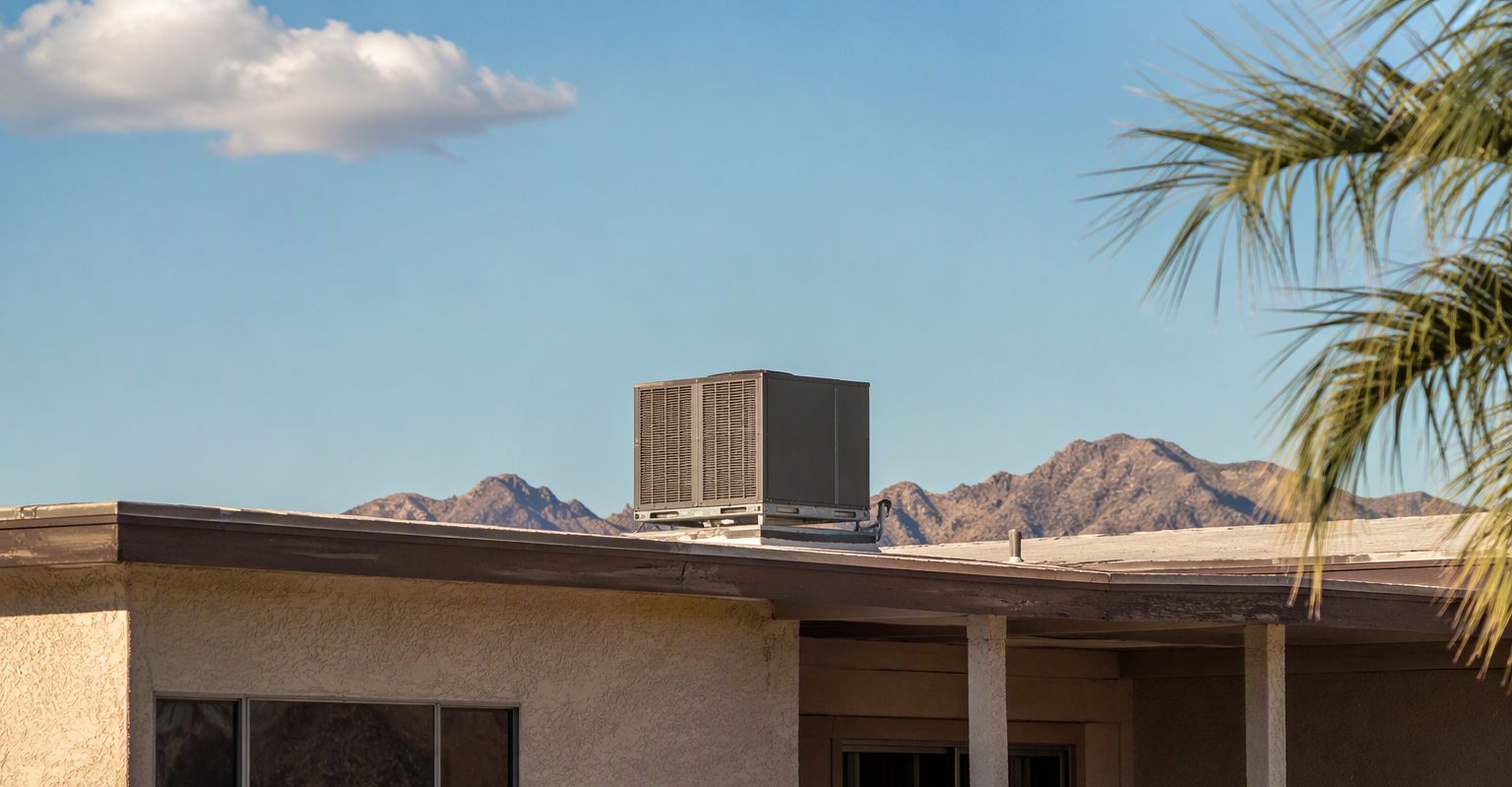
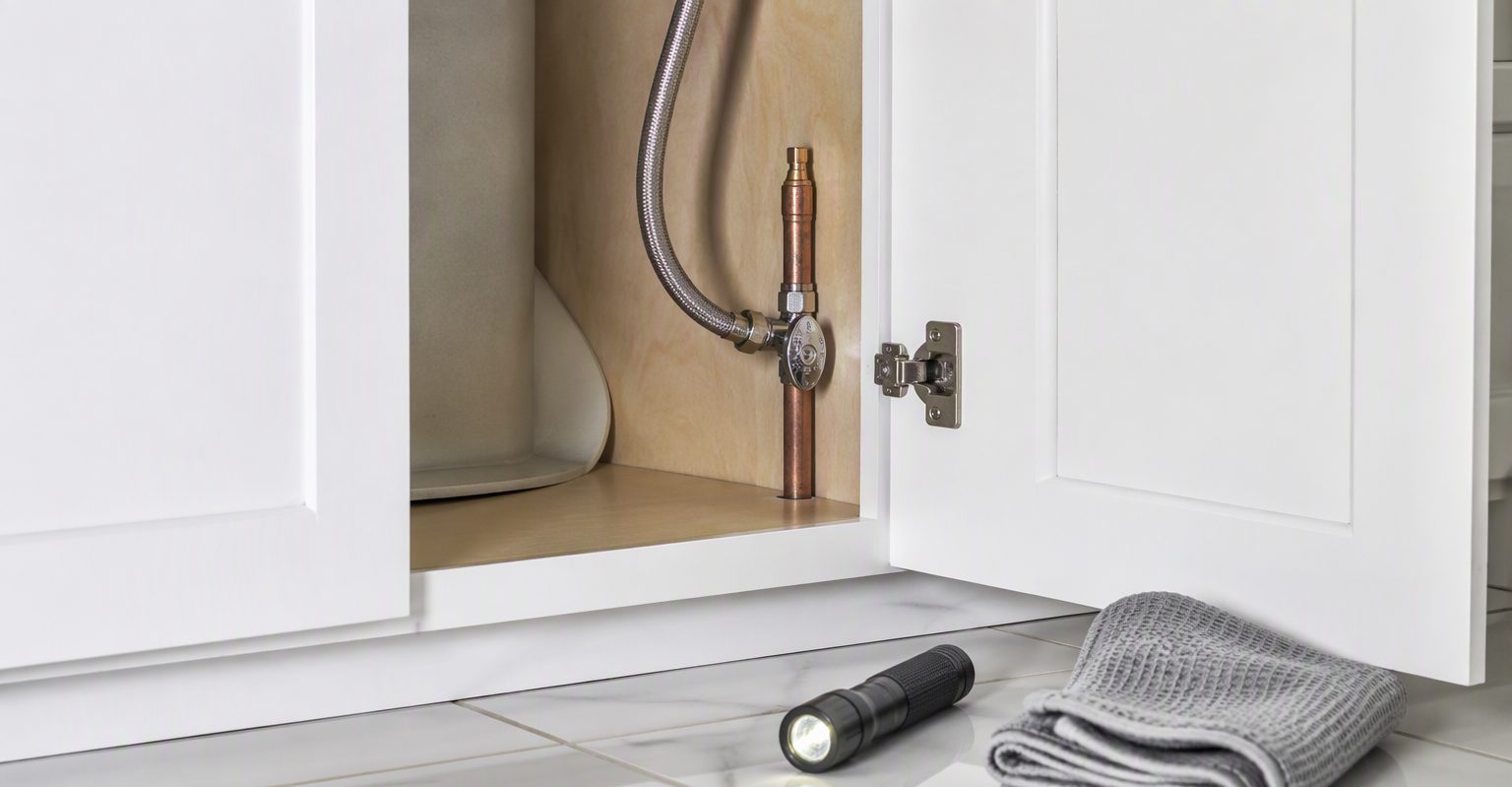
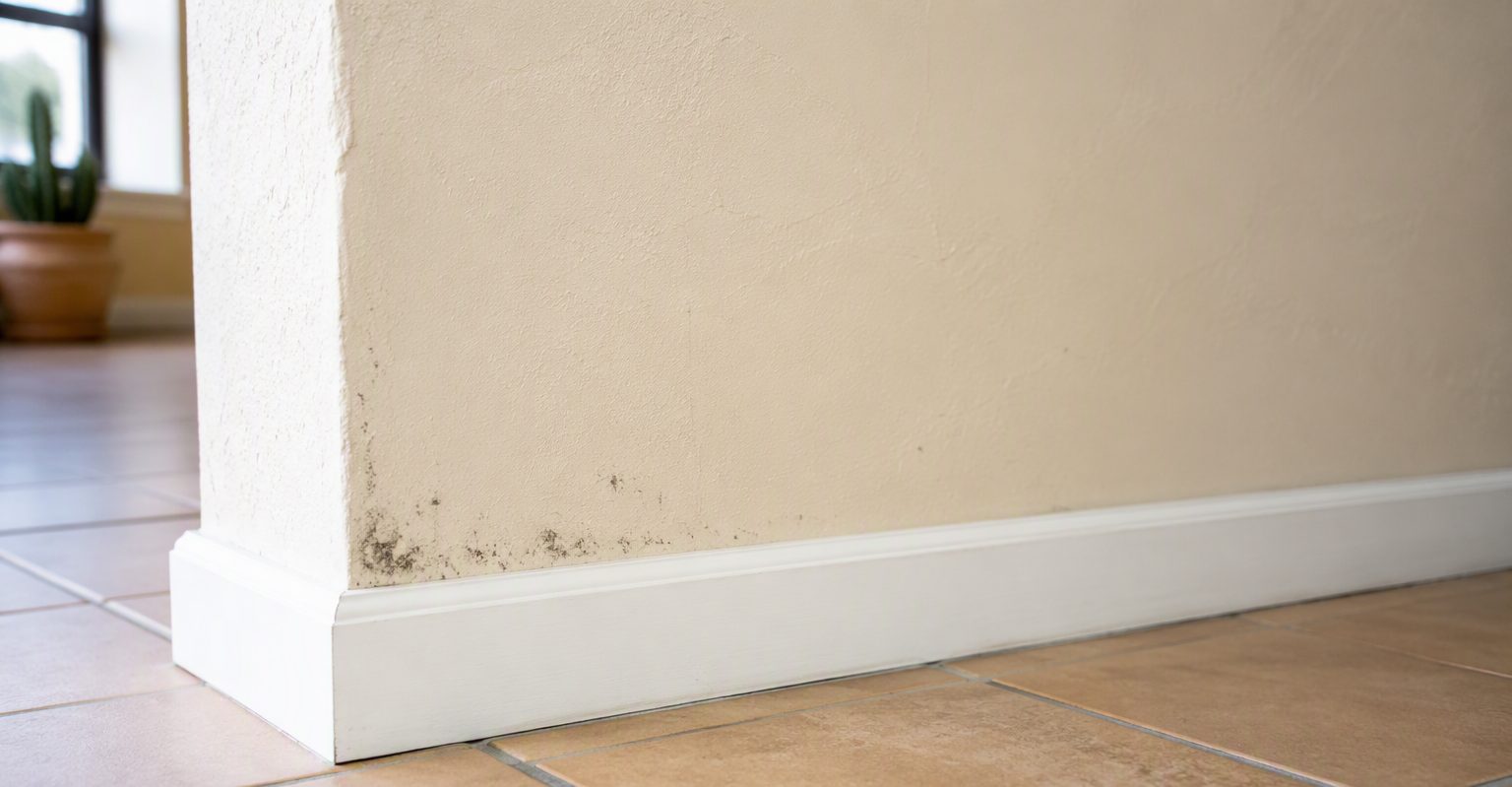
The same locations recur in valley homes: the attic deck under a roof-mounted swamp cooler with a sticky float valve; the wall behind the washing machine; the bathroom wall shared with a shower valve; baseboards along the slab edge after a monsoon intrusion; and the garage wall behind the water heater. Winter-visitor homes add a sixth: anywhere a slow leak ran all summer while the house sat empty. Every one of these is dark, undisturbed, and fed by a water source nobody watches.
The timeline
Given moisture and a food source, growth can establish in one to two days and become visible within a couple of weeks — but the first stage is invisible by definition. The early warnings aren’t visual: a musty smell in a specific room, a patch of wall that feels cool or damp weeks after the leak, baseboards that swelled and never quite shrank back. By the time spotting shows on the paint, the back of the drywall has usually been at it for a while. The surface spot is the tip, not the iceberg.
Why “it dried out” isn’t the same as “it’s fine”
A wall that feels dry to the touch can still hold elevated moisture inside the cavity — which is why post-loss verification uses meters, not palms. The losses that grow mold are almost never the dramatic floods; they’re the ones that were “handled” with towels and a weekend of open windows. Extraction without verified drying is how a water bill becomes a mold job. The meter reading is the difference between knowing and hoping.
The honest fix
Real remediation is unglamorous: find and fix the moisture source first (mold without moisture correction is a subscription), contain the work zone so spores don’t ride the air handler, remove porous material that can’t be cleaned, clean and treat what can, then verify. Most post-water-loss mold jobs caught early are contained, one-room affairs. The ones that grow into whole-wall removals are the ones that got a season to spread. Musty smell after any water event? That’s not the desert’s normal perfume — get it metered.