The claim is the second loss. The water took your floor; the paperwork can take your patience — unless it’s built right from the first minute. After enough Yuma County claims, the pattern is clear: the claims that pay smoothly aren’t the lucky ones, they’re the documented ones. Here’s the whole process, in order, with the failure points marked.
Step one: stop the loss — it’s literally your job
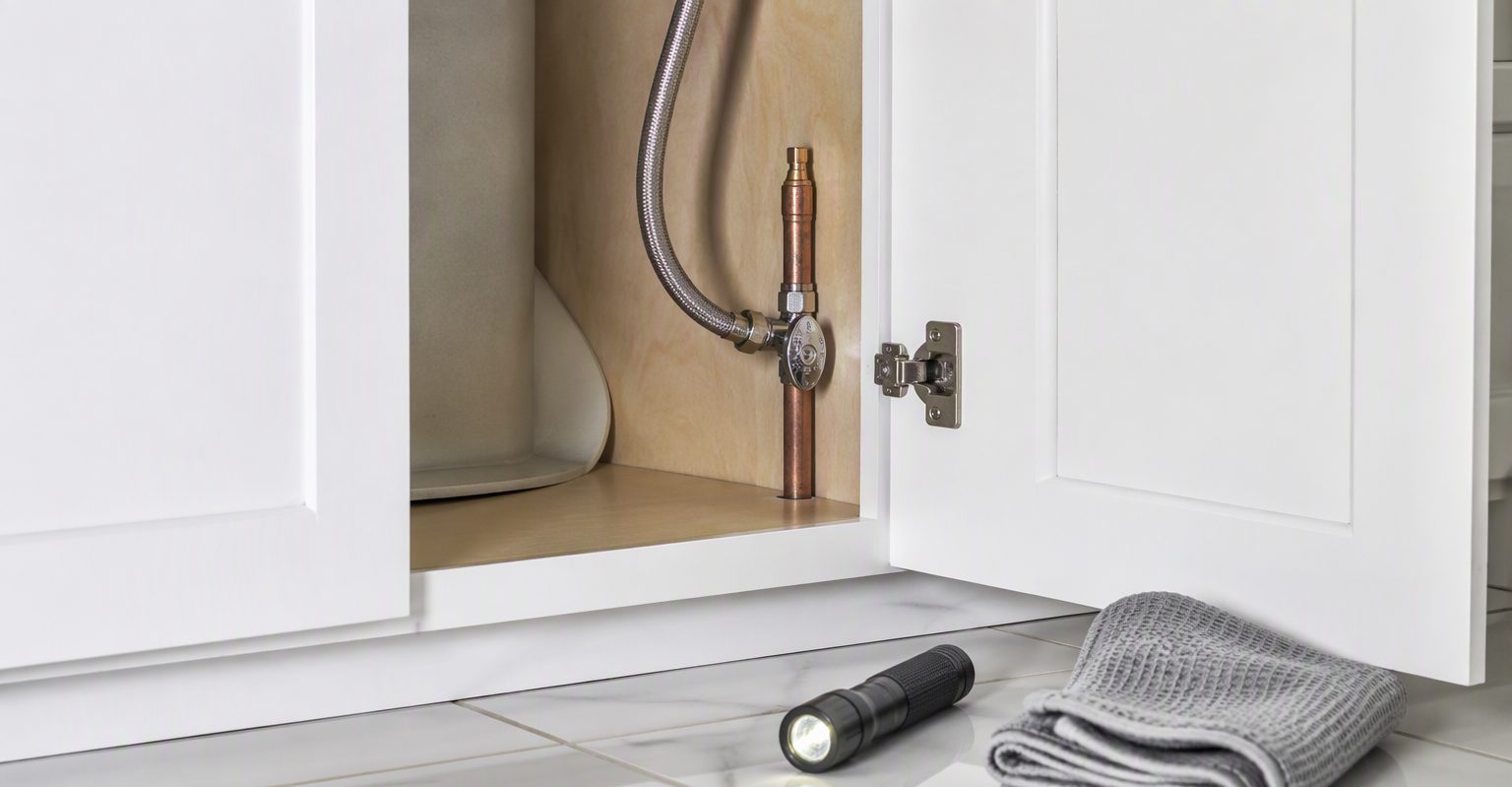
Every homeowners policy has a clause requiring you to take reasonable steps to prevent further damage. That means shutting off the water, tarping the opening, and getting extraction started — promptly. Waiting three days to see what the desert dries on its own isn’t patience, it’s what adjusters call failure to mitigate, and it can shrink a legitimate payout. The counterintuitive truth: the fastest cleanup is also the best claim strategy.
Step two: document like the adjuster is watching
Before anything moves: wide photos of every affected room, close-ups of the source, the waterline, and damaged belongings, plus a written timeline in your own words (when you found it, when you shut it off, when you called). Keep every receipt — tarps, hotel nights if you relocate, the plumber’s visit. Then the professional layer: our moisture maps, dated photos, equipment logs, and disposal records, which turn your story into a file with measurements.
Step three: file promptly, describe carefully
File the claim the same day. Describe what happened plainly and factually: when, where, what failed, what got wet. Two habits cause more trouble than any others — guessing at causes you aren’t sure of (“it must have been leaking for months” can reclassify a sudden loss as long-term seepage, which policies treat very differently), and saying “flood” when you mean “a pipe burst” (they’re different coverages with different rules). Stick to what you saw and when you saw it. The documentation carries the rest.
Step four: the adjuster visit
The adjuster inspects to confirm cause and scope. This is where the file does the talking: moisture readings showing how far water traveled, photos of the loss as found, the drying log, and a written scope of work itemized line by line. Walk them through the timeline. If their scope and ours differ, it gets reconciled line by line — which is exactly what an itemized scope is for. Arguments happen over vague invoices, not over measurements.
Step five: know your Arizona coverages before you need them
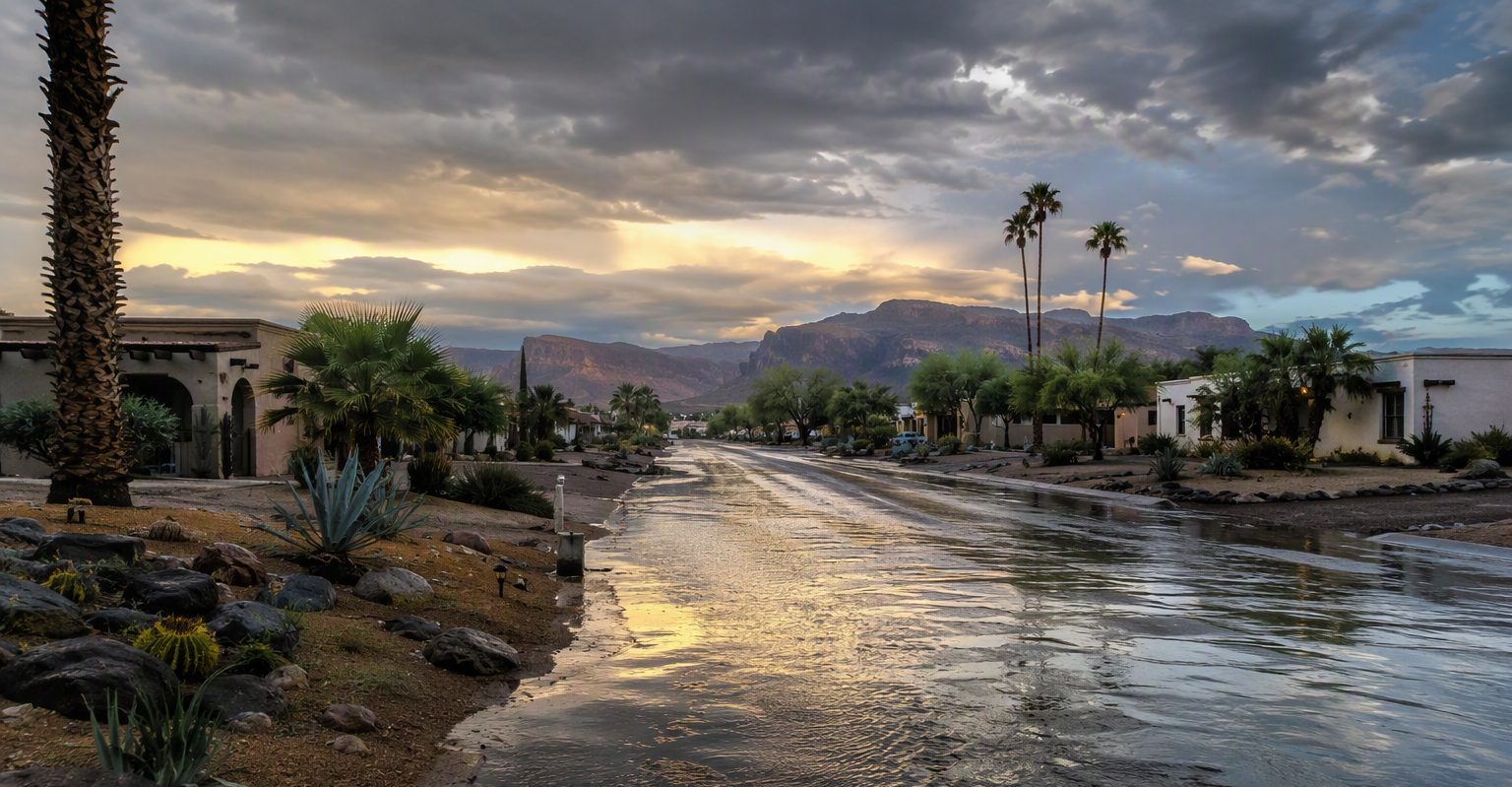
Pull your declarations page this week and check three lines: your water damage coverage under the homeowners policy, whether you carry the water-and-sewer-backup rider (backups are excluded without it), and whether you have separate flood insurance — required for rising monsoon runoff and canal breaks, which standard policies exclude. In a valley where the flood risk arrives two months a year in sixty-minute bursts, that third line is the one everyone skips.
The winter-visitor wrinkle
If the house sat empty when the loss happened — the classic Foothills scenario — expect the carrier to ask when it was discovered and how. Discovery date matters: a sudden break discovered promptly is a different conversation from damage that ran for weeks. This is where a neighbor’s statement, a water bill spike, or a smart-home alert log becomes gold, and where our day-one moisture readings establish what was still actively wet when the door opened.
Document early, mitigate fast, and let measurements do the arguing. That’s the whole playbook — and it starts with the phone call, not the claim number.